《时代革命》分为8个章节,以香港反对《逃犯条例修订草案》运动为主题,通过示威运动中七组不同示威者的视角,展现了运动的宏观背景和参与者的个人体验。影片开篇介绍1984年香港主权移交的历史背景,其后详尽记录了2019年夏天开始的示威运动的过程。
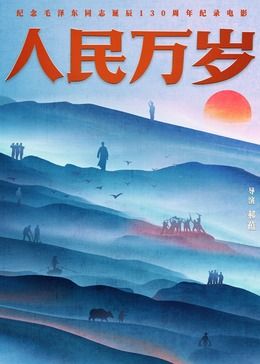
1949年10月1日新中国开国大典当晚,欢庆的游行队伍高呼着“毛主席万岁”经过天安门城楼时,扩音器里不断传来毛泽东洪亮的声音:“人民万岁”!这一声朴实而又充满感恩的回应,凝固成永恒的历史音符。 影片在毛泽东同志诞辰130周年之际,用别具情感力量与温情脉络的经典光影描绘出一幅感人至深的历史画卷,弘扬了中国共产党第一代领袖的崇高精神,彰显出"人民万岁"的铮铮誓言。
前英超球星“V11”因错误的财务建议损失数百万美元,并面临巨额税单。顶级俱乐部的球员在法律和财务专家的支持下团结起来,发起反击。
带您探索充满挑战的国际高级餐饮世界,在长达一年的米其林指南季中,独家访问米其林指南。该系列纪录片将追踪全球一些最独特、最受推崇的餐厅的精英厨师的命运,以确定他们能否赢得、保持或失去那颗珍贵的米其林星。从努力争取第一颗星,到孜孜不倦地巩固自己的地位,再到努力争取第二颗星或难以企及的第三颗星,每位厨师都面临着深刻的个人挑战。
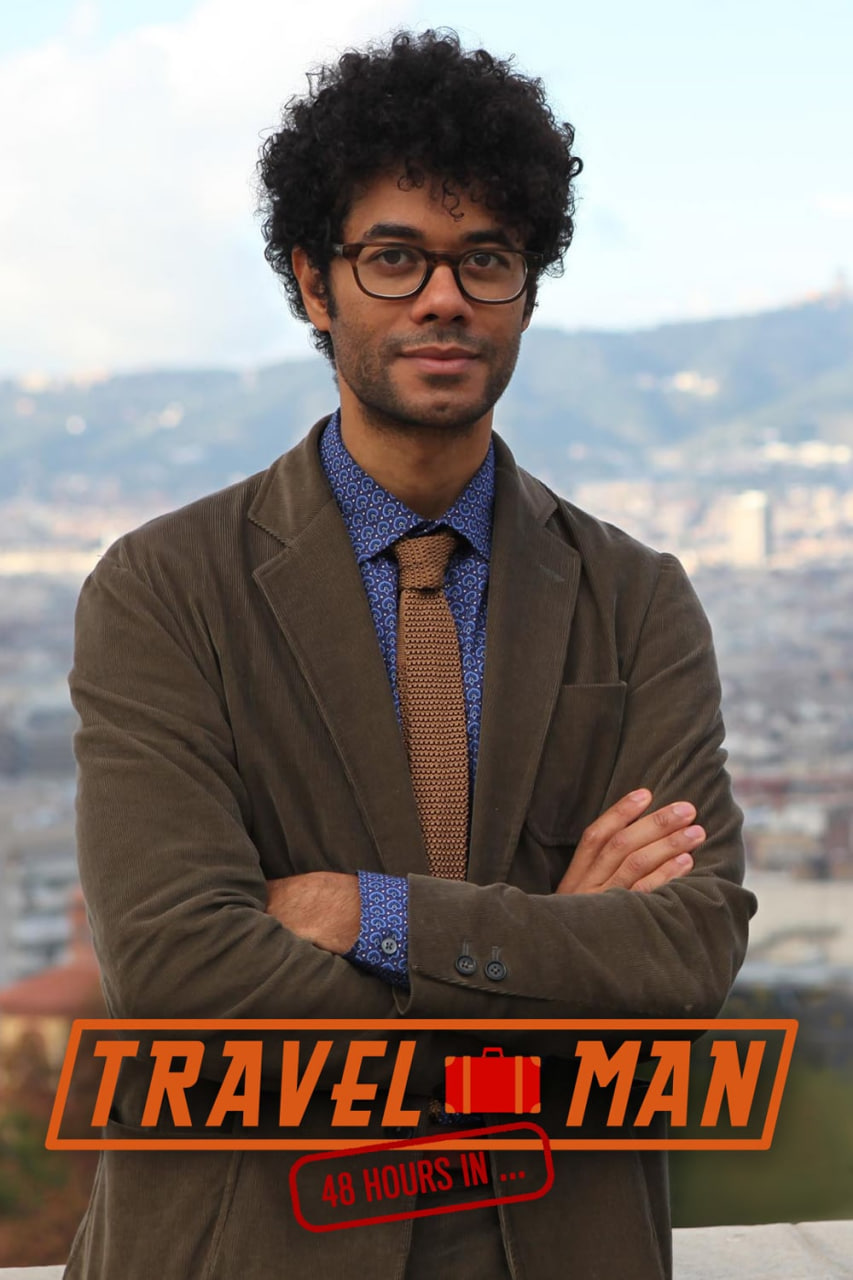
《旅人:48小时游记》为英国的一档电视旅游纪录片系列节目,主持人为《IT狂人》中的Moss 理查德·艾欧阿德。每一期节目中,他将与不同的明星嘉宾在各个著名旅游城市游历48小时。第一季四期节目的取景地分别为巴塞罗纳、伊斯坦布尔、冰岛、马拉喀什(摩洛哥城市)。
《黑人与古巴》讲述了一群在常春藤名校被边缘化的街头智慧学生,他们团结起来,前往古巴冒险,探索革命是否真的可行。在拍摄他们与非裔古巴青年的感人邂逅、令人叹为观止的景点和动人心弦的嘻哈表演的同时,这些旅行者也直面了色盲和社会流动性迷思背后的现实。这部关于他们旅程的纪录片,既前卫又充满艺术感,揭示了人们对平等和人权的全新希望。《黑人与古巴》是国际人权倡导者兼学者罗宾·J·海耶斯博士的剧情片导演处女作。
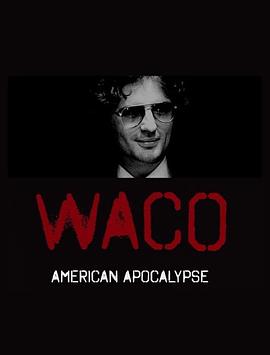
It showcases what happened in 1993 in Waco, Texas when cult leader David Koresh faced off against the federal government in a siege of 51 days.
饱受战争侵扰的叙利亚女性还遭受着延续世代的父权压迫和虐待,五个年轻的叙利亚女人在一间破败不堪的小屋,以匿名采访到的无数妇女故事为蓝本,编排一出关乎女性的戏剧。创作过程中考验重重:失业的危险、家庭的阻挠、成员内部的纷争,她们奋力冲破禁忌讨论女性的真实处境。本片曾入围第73届柏林国际电影节“全景纪录”单元。
The Power of Emotion explains that emotion isn't to be confused with sentimentality. Emotion is ancient and more powerful than any art form. The film looks at young couples who run into difficulties as they try to translate their experiences of love into clear decision-making. A woman who has shot her husband provides a judge with a puzzle. Those who love can bring the dead back to life by means of co-operation. That's the focus of the opera, "The Power Plant of Emotions" and the "Opera of the 20th Century" cinema. Alexander Kluge: The Power of Feeling When I started working on The Power of Feeling, I was not in a rational state. I did not say, I have a subject and now I will make a film about it. Instead I was spellbound and observed in my direct surroundings, for example, how feelings move. I have not really dealt with the theme of my mother's death and the fact that she was the one who taught me "how feelings move." Nor have I dealt with how she died. That was an entire palette of feelings: "All feelings believe in a happy end," and everyone believes tacitly that they will live forever: The entire palette is somehow optimistic, a positive attitude towards life having been put on the agendaas long as she was young, as long as her body held out, from one day to the next she collapsed. She just suddenly collapsed, like in an opera where disaster takes the stage in the fifth act. It felt as if I had observed an air raid or a disaster. The film The Power of Feeling is not about feelings, but rather their organization: how they can be organized by chance, through outside factors, murder, destiny; how they are organized, how they encounter the fortune they are seeking.What is all this organization of feelings about? Generally feelings tend to be a dictatorship. It is a dictatorship of the moment. The strong feeling I am having right now suppresses the others. For thoughts this would not be the case. One thought attracts others like a magnet. People therefore need affirmation by other people to be sure about their own feelings (to counteract the acquisition of their feelings through outside forces). Through the interaction of many people, for example, in public, the various feelings also have a magnetic attraction to one another just like thoughts do. Feelings communicate through their manifestation in public. The cinema is the public seat of feelings in the 20th century. The organization is set up thusly: Even sad feelings have a happy outcome in the cinema. It is about finding comfort: In the 19th century the opera house was the home to feelings. An overwhelming majority of operas had a tragic end. You observed a victim. I am convinced that there is a more adventuresome combination: Feelings in both the opera and traditional cinema are powerless in the face of destiny's might. In the 20th century feelings barricaded themselves behind this comfort, in the 19th century they entrenched themselves in the validity of the lethal seriousness.
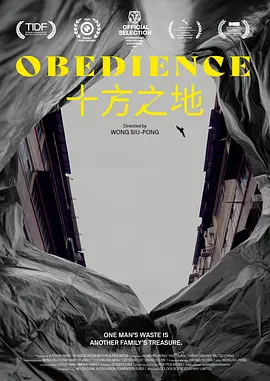
香港红磡地区,富裕的中产阶级高楼耸立如林,林下遍布的却是破旧矮小、等待拆除重建的小楼住宅,以及汇聚于此的殡葬馆,矛盾地载着生者的轿车与亡者的灵车并行。每年,市民会前往附近观音庙祈求财富;当地拾荒者则从路上搜集「废物」,以期回收转化为几块钱。历时五年拍摄,记录红磡日常,重思建设发展与「废物」的意涵。
我们难得一见地了解到贝蒂怀特的真正爱好之一——大型猫科动物!和她一起前往洛杉矶和圣地亚哥动物园近距离接触大型猫科动物。
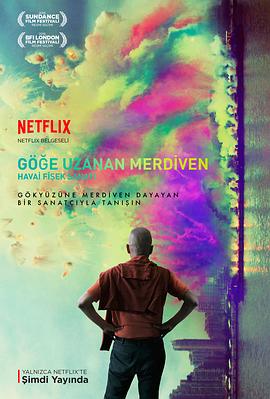
《天梯:蔡国强的艺术》是当今世界最重要艺术家之一蔡国强的首部电影纪录片。既是一个从中国出发、成为具国际影响力艺术家的励志故事,也体现着新时代中国人的追求和精神。 本片由奥斯卡金奖导演凯文·麦克唐纳(Kevin Macdonald)耗时两年,从纽约、布宜诺斯艾利斯、上海、北京、浏阳到家乡泉州,遍访艺术家的工作现场及其亲友、工作伙伴和专家,无限度深入蔡国强的工作和生活,并从数千小时的珍贵历史影像素材撷取精华,讲述蔡国强 80 年代从泉州出发,30 年来在五大洲不同文化间成长,并走向国际舞台成为享誉全球的爆破艺术家。纪录片中也揭露他壮观艺术背后的另一个真实—内心的脆弱、挣扎、妥协,和对家人、故乡、祖国土地深厚内敛的家国情怀。 影片主线《天梯》—— 一座500米高的金色焰火梯子嘶吼着拔地而起,与无垠宇宙对话。这是蔡国强少年时代仰望天空、摸云摘星的梦想,二十多年来在世界不同地方屡试屡败,却从未放弃。2015年6月黎明,泉州小渔村惠屿岛海边,在国内技术专家和当地数百村民的帮助和见证下,他再次一搏,把《天梯》作为献给百岁奶奶和家乡的礼物……
展现Super Junior的过去、现在、未来,出道至今最真实的故事。